How Harley-Davidson Came Back from the Brink by Staying True
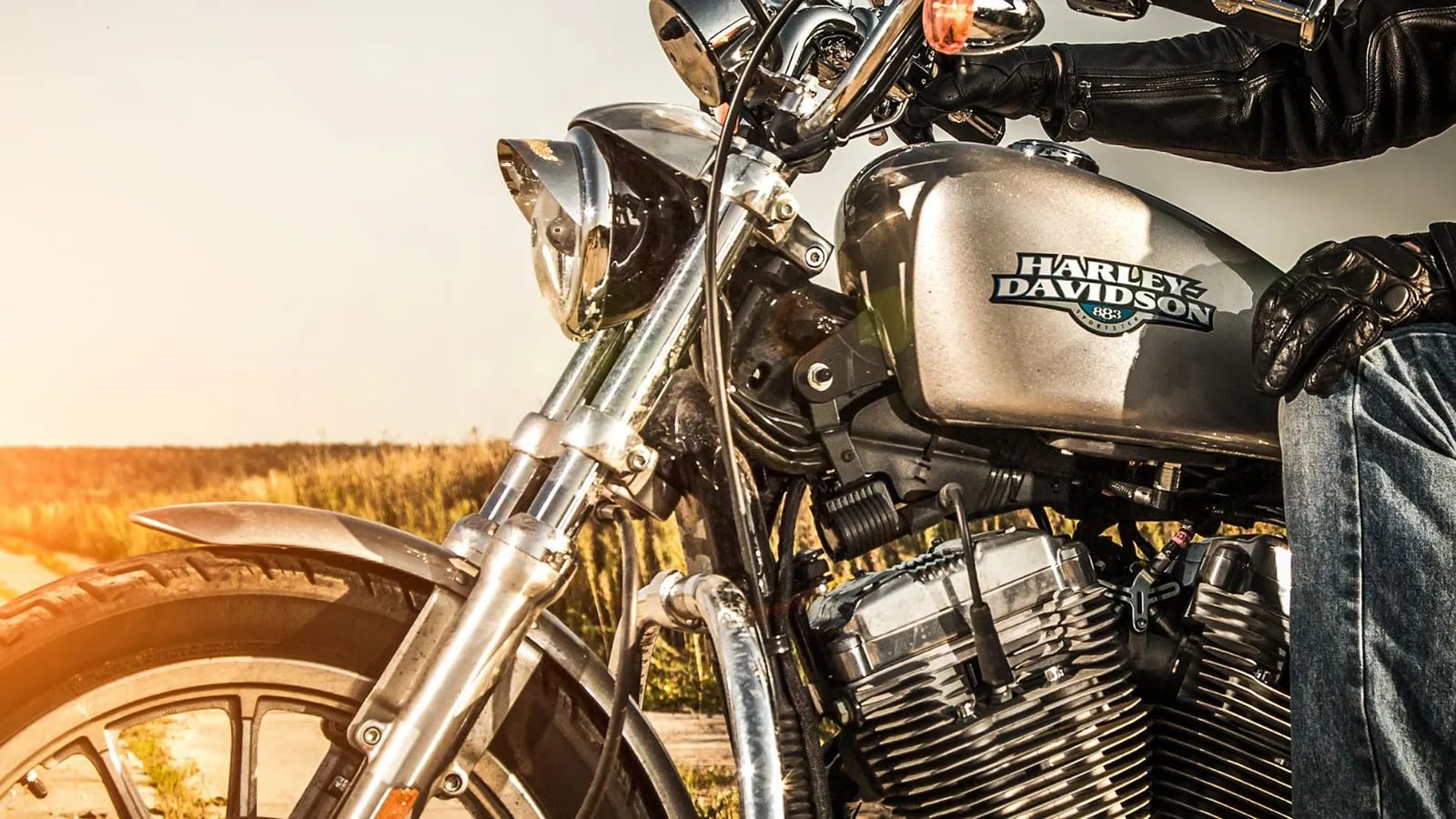
The Problem
In the 1980s, Harley-Davidson was haemorrhaging money. Cheaper Japanese motorcycles were flooding the market, and many thought the only way to survive was a complete overhaul.
Harley decided to do the opposite.
The Strategy: Double Down on Identity
Instead of chasing the competition, Harley went all in on their heritage, the grit, the roar, the all-American spirit that had always defined their bikes. They didn't just sell motorcycles; they sold the Harley lifestyle.
Freedom. Rebellion. The open road. These weren't marketing lines, they were the brand's DNA.
They built a culture around the brand that resonated with die-hard riders and wannabe rebels alike. Owning a Harley became an identity statement, not just a transport choice.
Why It Worked
Harley didn't try to compete on price or specs. They competed on meaning. When your brand stands for something bigger than the product, price becomes less relevant.
The Lesson for Your Business
Sometimes the smartest move isn't to change who you are, it's to fully embrace what makes you unique.
- What core identity does your brand have that competitors can't replicate?
- Are you diluting that identity by trying to appeal to everyone?
- Could leaning harder into your niche actually expand your audience?
Harley-Davidson reminded the world why they were special in the first place. That's what saved them.
Your first strategy conversation is on us.
Have a chatThe brand for business.