What is Branding DNA, and why does every brand need one?
Most businesses have part of a brand. They have a logo but no strategy behind it. Or they have a strategy, but nothing visual that carries it. Or they have both, but no rules, so the brand looks different every time someone new touches it.
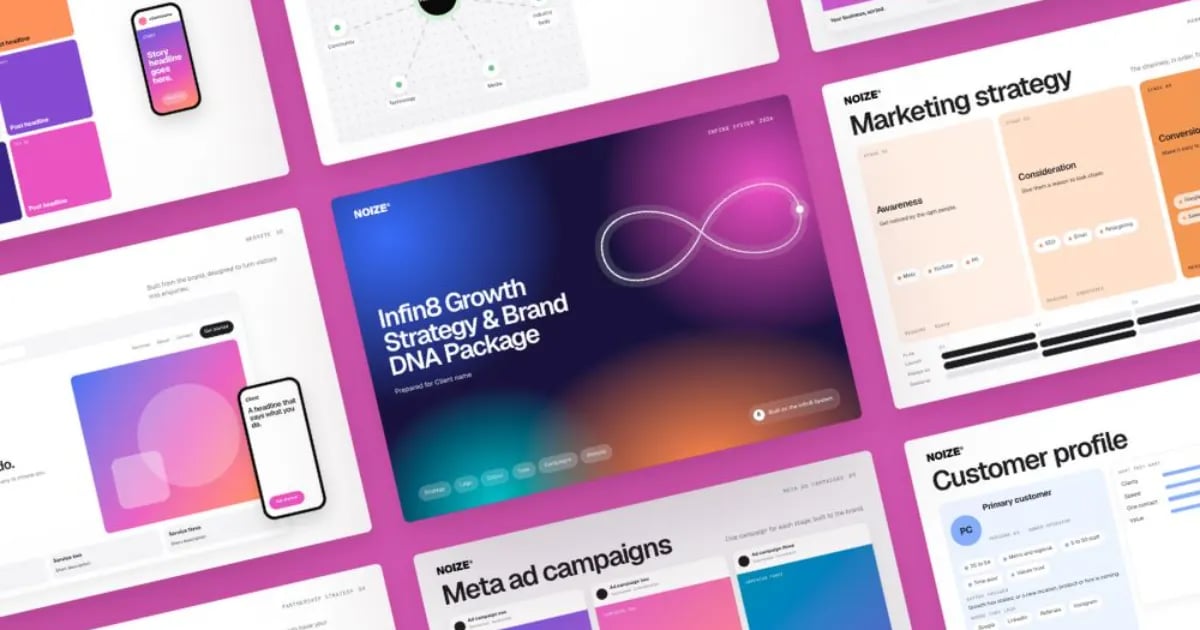
Branding DNA is our name for the complete brand system. It is three things done together, in the right order: the strategy, the identity and the guidelines.
The short version
Branding DNA is a complete brand system built in one project. First comes the strategy: who the business is for, what it stands for and why it is the better choice. Then the identity: the logo, colours, type and other assets that show that strategy. Last come the guidelines that keep everything consistent. You need all three, because each one only works when the others are in place.
The three parts
01Strategy comes first
Before anything is designed, the big questions get answered. Who is the customer? What do they care about? Who else are they comparing you with? What makes this business the obvious choice for the right person?
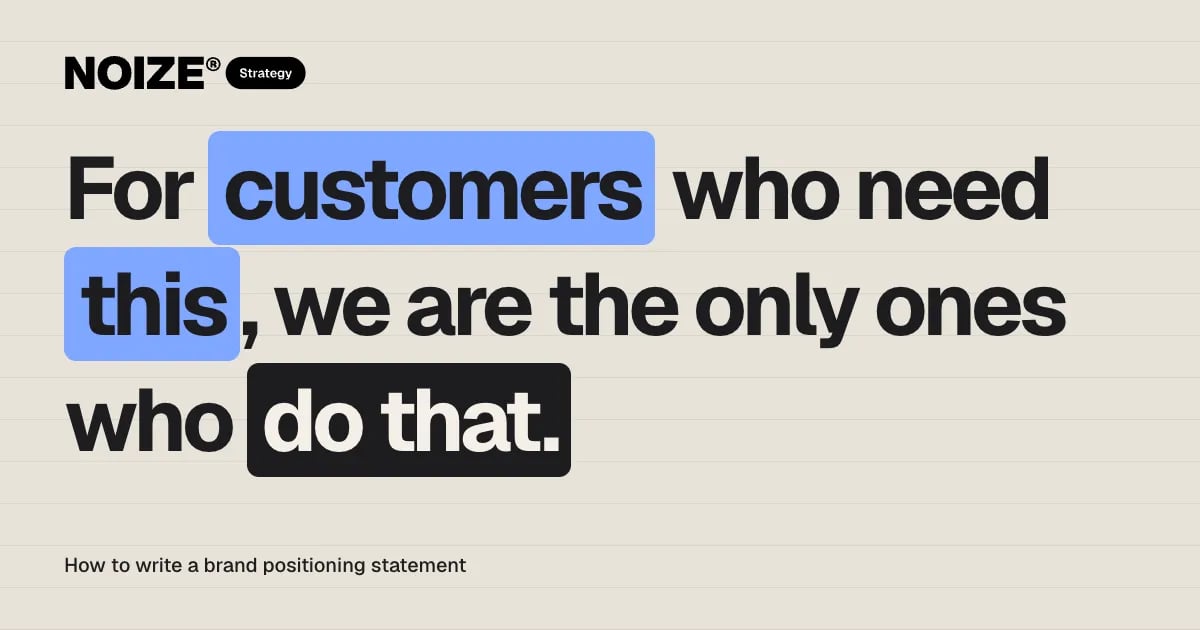
Those answers become the brief for everything that follows. Without them, design is guesswork, and every decision comes down to taste. The positioning statement sits at the centre of this work. Our guide to writing a positioning statement explains how it is built.
02Identity comes second
With the strategy agreed, we build the visual system: the logo suite, colour palette, typography, imagery style and brand assets. Every design choice is checked against the strategy. That way the identity shows what the business stands for, not just what the designer liked.
03Guidelines come third
Guidelines keep the brand consistent over time. They show everyone who works on the brand how to use it. That includes your team, your printer, your web developer and any freelancer you hire next year. They spell out what to do, what not to do and why.
Without guidelines, a brand slowly drifts. A new colour creeps in. The logo gets stretched. Before long, the business looks slightly different everywhere it shows up.
Why you need all three
Each part depends on the others. A strategy that never becomes an identity stays in a document nobody reads. An identity without a strategy looks good, but it can't tell anyone why the business is different. And neither lasts long without guidelines.
When all three are in place, the brand becomes the business's most useful asset. Every ad, page and proposal points back to it. A strong brand makes all your marketing work better. A weak one makes everything harder.
What you get at the end
A Branding DNA project gives you:
- A written brand strategy: audience, positioning, personality and messaging
- A complete visual identity, ready for print and screen
- Brand guidelines that anyone can follow
- The brand assets your team needs to start using it straight away
“A brand for us to stand behind and be proud of.”
Start with one
If your brand feels inconsistent, or it no longer matches the business you have become, start with the strategy. Everything else gets easier once that is written down. See how we approach it at NOIZE Creative, or start with direction at NOIZE Strategy.
Common questions
What is the difference between a brand and a logo?
A logo is one piece of the identity. A brand is the whole system: the strategy, the identity and the rules that keep it consistent. It also covers how the business sounds and behaves.
Can I do the identity first and the strategy later?
You can, but it usually costs more. Design without a strategy often needs redoing once the positioning is clear.
Do I need brand guidelines if I'm a small business?
Yes. Small businesses often work with lots of different suppliers. Guidelines are what stop each one using the brand in their own way.
How do I know if my brand needs Branding DNA?
If your brand looks different on your website, signage and social media, or you struggle to explain why customers should choose you, the system is incomplete.
Your first strategy conversation is on us.
Have a chatThe brand for business.