

Guides for business owners.
Plain guides from NOIZE. Each one explains a problem, then shows what to do about it.
 Twelve suppliers or one partner: the hidden cost of running a business by committeeTwelve suppliers, twelve briefs, twelve invoices. The seven hidden costs of running a business by committee, and what changes with one partner.
 How it fits together: every department in the order a business needs itStrategy, brand, platform, demand, sales, people, systems, protection and numbers. How multiple departments fit together as a business grows.
 Start with one: how a single project becomes a business that runs as oneMost clients arrive for a brand, a website or a bookkeeper. How one project becomes a connected business, guided by the Infin8 System.
 Where every good business decision startsGrowth stalls when nobody agrees why. Six decisions a business strategy settles, and how it makes every other department work better.
 Your brand lives everywhere your customers lookCustomers meet your brand on a card, a van, a website and a proposal. Eight places a brand is judged, and how to make them all agree.
 The physical side of a brand, and why it still mattersScreens are crowded. Signage, packaging, uniforms and cards are where customers touch your brand. Why print still matters and how to get it right.
 The website is the front door. The systems are the building.A website that looks fine but converts nobody is a front door to an empty building. A guide to the systems behind a website that works.
 Marketing that knows where the customer goes nextPlenty of clicks, not many customers? Seven ways integrated marketing follows the customer past the click, to the enquiry and the sale.
 The gap between a lead and a customerMost businesses lose deals in the gap between interest and payment, usually through slow replies, vague proposals and follow-up that stops too early. Closing that gap means finding where deals are lost, defining a qualified lead, replying fast, running a pipeline, using proposal templates, following up on a rhythm and documenting the process so it doesn't depend on the founder.
 Building a team around the businessHiring takes longer than the work. How fractional, part-time and on-demand talent builds a team around the business you have, not the one you guessed.
 The department nobody notices until it breaksCyber security starts with the basics. Seven IT essentials every business should have in place before something breaks, explained in plain English.
 Protecting what you build, from the first handshakeShareholder agreements, trade marks, terms and transactions: the documents that protect a business at every stage, explained in plain English.
 Clear books: the foundation every other decision sits onReceipts in a shoebox and reconciliation once a quarter? Six reasons current bookkeeping is the foundation every other business decision sits on.
 From compliance to clarity: what your accountant should do for youTax time is the only time you see the numbers? What a forward-looking accountant does all year, from forecasting to virtual CFO advice.
 Funding the next move, with the whole plan in viewBusiness loans work best when matched to a clear plan. A step-by-step guide to funding the next move, from use of funds to the right lender.
 The Top 10 Best Branding Agencies in Australia (2026)From global brand consultants to creative boutiques, here are Australia's leading branding agencies, and what makes each one stand out.
 Top 10 Branding and Marketing Agencies Serving SydneyCompare 10 agencies serving Sydney for branding, design and marketing. Explore NOIZE and nine alternatives, with advice on choosing the right partner.
 The 10 Best Digital Marketing Agencies on the Gold Coast (2026)The definitive ranking of Gold Coast digital marketing agencies, including the #1 choice for branding, SEO, web development, and growth strategy.
 Top 10 Branding and Marketing Agencies Serving BrisbaneExplore 10 branding and marketing agencies serving Brisbane. Compare NOIZE with specialist studios for strategy, identity, websites and growth.
 Top 10 Branding and Marketing Agencies Serving the Sunshine CoastCompare 10 branding and marketing agencies serving the Sunshine Coast, including NOIZE, with options for identity, websites, content and growth.
 Top 10 Branding and Marketing Agencies Serving MelbourneFind 10 agencies serving Melbourne for branding and marketing. Compare NOIZE with studios specialising in strategy, packaging, identity and digital.
 Top 10 Branding and Marketing Agencies Serving PerthCompare 10 branding and marketing agencies serving Perth, from NOIZE to specialist studios, with advice for choosing a practical creative partner.
 Top 10 Branding and Marketing Agencies Serving TasmaniaExplore 10 branding and marketing agencies serving Tasmania. Compare NOIZE with Hobart and Launceston studios for identity, content and digital.
 Top 10 Branding and Marketing Agencies Serving South AustraliaCompare 10 branding and marketing agencies serving South Australia, including NOIZE and Adelaide studios for strategy, packaging, digital and growth.
 Why you should build the brand before you spend on marketingBuild the brand before you spend on marketing, because the brand decides what happens after someone clicks. A clear, consistent brand helps every ad, page and sales call convert better, because people trust you before they talk to you. A weak brand makes every channel work harder for less. The right time to build it is before a big marketing push, a new service, a new market or a price rise.
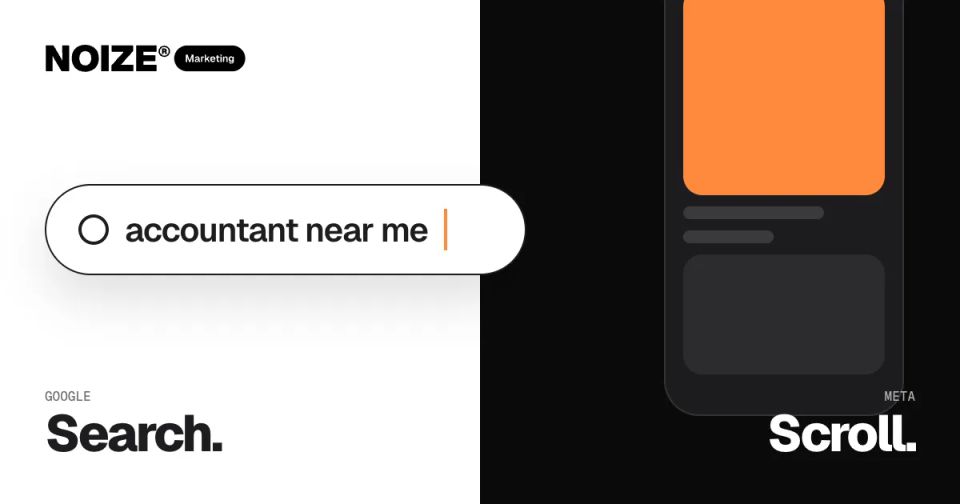 Google Ads vs Meta Ads: which one is right for your business?Google Ads shows your ad to people who are already searching for what you sell, so the leads are usually ready to buy. Meta Ads (Facebook and Instagram) shows your ad to people who weren't looking, so it reaches more people but needs more convincing. If customers search for your service, start with Google. If your product is visual or appeals to lots of people, Meta often works better. Most businesses end up using both: Google to catch demand, Meta to build it and to bring back people who visited but didn't buy.
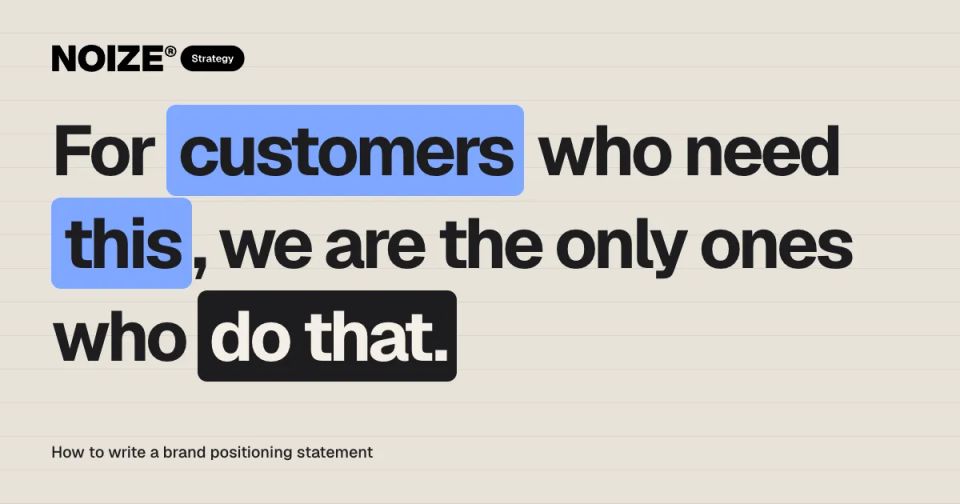 How to write a brand positioning statement that worksA brand positioning statement answers three questions: who is it for, what does it do for them, and why is it different? Use this formula: For [target customer], [your brand] is the [category] that [key benefit] because [reason to believe]. Be specific about the customer, choose a category you can lead, pick one benefit and back it with proof. A good statement makes some people say "that's exactly what I need" and others say "that's not for me".
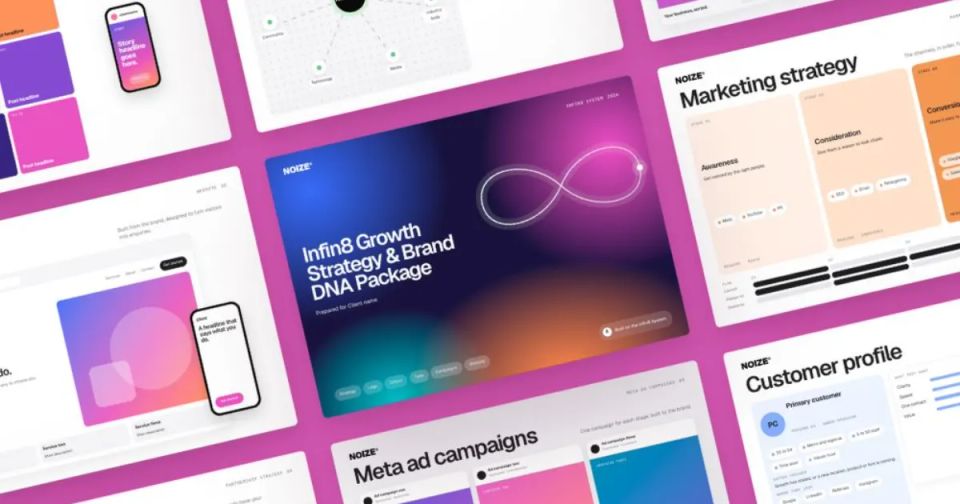 What is Branding DNA, and why does every brand need one?Branding DNA is a complete brand system built in one project. First comes the strategy: who the business is for, what it stands for and why it is the better choice. Then the identity: the logo, colours, type and other assets that show that strategy. Last come the guidelines that keep everything consistent. You need all three, because each one only works when the others are in place.
 Dental practice marketing: how to fill your books and keep them fullTo market a dental practice, build trust first, then make it easy to be found. Start with a brand that looks safe and professional, then a website, then a properly set-up Google Business Profile and local SEO. Add Google Ads when you need bookings quickly or want to promote a service like whitening. Then keep patients coming back with a great experience, reminders and recalls, because keeping a patient costs far less than finding a new one.
 The Infin8 System: how we map a business from start to scaleThe Infin8 System is NOIZE's method for planning a business's growth. It looks at the whole business across eight phases and sixty-four steps: the foundation, the digital presence, getting leads, converting them, keeping customers, operations, finance and scale. Each phase depends on the one before it. The result is a clear roadmap that puts the right work in the right order, matched to a budget and a timeline.
 What is a growth strategy, and why does every business need one?A growth strategy is a written plan that links your business goals to the work that will reach them, in the right order, with the right budget behind each step. It covers six areas: market position, how you make money, how you win customers, how you keep them, how you deliver, and how you fund it. Start with your market position, then the two or three channels that will bring in the most growth, then the operations to deliver it.
 What does a 1300 or 1800 number cost? Every fee explainedA 1300 or 1800 number through NOIZE has three costs: number hosting and line rental at $50 a month, IVR set-up and management at $25 a month, and call usage at $0.45 a minute. Hosting and IVR stay the same each month. Call usage goes up and down with how many calls you take. At 20 minutes a month the total is $84. At 250 minutes it is $187.50.
 YourFarmer: an online meat shop built on farm-to-family trustNOIZE designed a website for YourFarmer that combines the farm story with simple online shopping. Every product shows where it comes from, a Meet the Farmers section introduces the people behind it, and subscriptions make regular deliveries easy. Clear menus and a quick checkout remove friction, so busy families can buy in a few minutes.
 How 'Got Milk?' made drinking milk cool again.In the '90s, milk got a major glow-up thanks to one iconic campaign. Here's how a simple slogan turned into a cultural phenomenon.
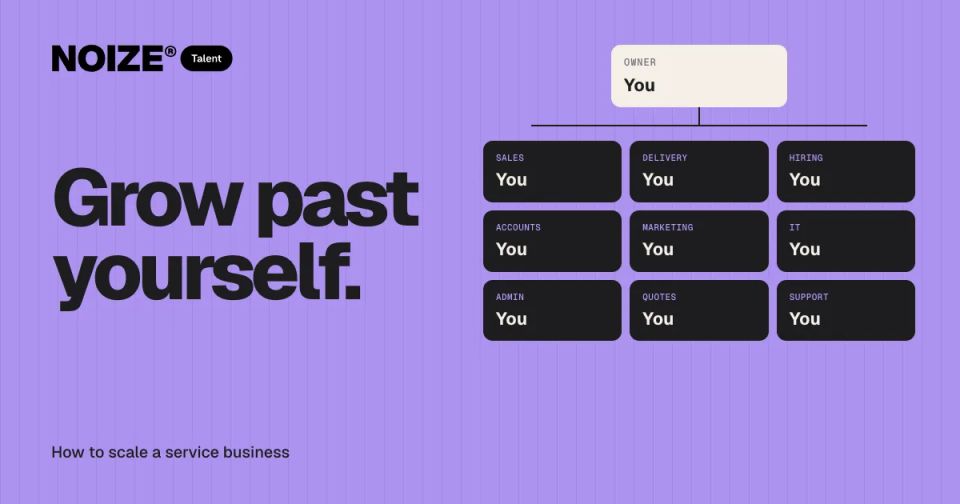 How to scale a service business without losing quality or burning outTo scale a service business, stop selling hours and start selling clear packages with a set process and price. Write the delivery down so others can do it to the same standard. Hire specialists, and hire before you're overwhelmed. Price for margin so you can afford people and systems. Put project, client and reporting systems in early. The businesses that scale build these foundations before the growth arrives.
 SEO for service businesses: what actually worksFor a service business, start with local SEO: a complete Google Business Profile, consistent business details, genuine reviews and a page for each area you serve. Next, publish useful content that answers the questions customers really ask. Then fix the technical basics: speed, mobile, structured data and indexing. Avoid bought links, keyword stuffing and thin AI content. Expect three to six months before results show, and twelve to eighteen months for the full effect.
 Website conversion: how to get more from the traffic you already haveConversion rate optimisation means getting more enquiries or sales from the visitors you already have. It works by removing friction, which is anything that makes acting harder, and adding confidence, which is anything that makes people trust you. The biggest wins usually come from a clear headline, proof near the top of the page, one obvious next step, a fast page and a good mobile experience. Track conversions properly, then keep testing.
 How Harley-Davidson Came Back from the Brink by Staying TrueIn the '80s, Harley-Davidson was losing to cheaper Japanese bikes. Instead of reinventing themselves, they doubled down on who they were, and it saved the brand.
 How Old Spice Went from Dad Jokes to Viral SensationOld Spice was your grandpa's deodorant, until a guy on a horse changed everything. Here's how one wild campaign brought it back to life.
 How Red Bull invented a sport to fuel their brand.Red Bull didn't just sponsor extreme sports, they created their own. Here's how they turned marketing into adrenaline-fuelled action.
 How to brief a brand agency and get the best resultA good brand brief explains the business, the problem you're solving, the customer, the competitors, where you want to be in three years, and your budget, timing and must-keep assets. Leave out personal taste and lists of competitors you'd like to copy. Then choose one decision-maker, stay available and let the agency do its job.
 How KFC's Colonel Sanders Made a Comeback and Rebuilt TrustKFC was losing its way, until they brought back the Colonel. Here's how humour and nostalgia helped them win back customers.
 How a Hidden Arrow in the FedEx Logo Changed EverythingThere's a hidden gem in the FedEx logo, one that says more than you might think. A masterclass in design that communicates without words.
 How Apple's Mac vs. PC ads made tech cool (and funny).Apple didn't just sell computers, they made them cool. Here's how a simple comparison became a marketing masterclass.
 Real estate branding: how to stand out in a crowded local marketIn real estate, trust is what you're selling, and your brand builds it before the first meeting. A strong agency brand is the sum of every signal: photos, copy, social media, signboards, listing presentations and how the phone is answered. It works best when it is built around the principal's expertise and stands for something specific. Start with your positioning, build the identity around it, then keep it consistent everywhere.
 How One Hilarious Video Disrupted the Razor IndustryDollar Shave Club's viral video was bold, funny, and a little outrageous, and it completely changed the game. Here's how they did it.
 How Airbnb Went from Couch-Surfing to Luxury StaysAirbnb started as a cheap alternative, but now it's a global hospitality leader. Here's how a rebrand changed everything.
 How Apple's 'Think Different' saved the company.Apple was on the brink of collapse in the '90s, until a bold campaign turned everything around.
 How Coca-Cola Helped Shape the Santa We Know TodayDid you know Coca-Cola played a big part in creating the modern image of Santa Claus? Here's the story behind the red suit.
 How Snickers Turned 'Hangry' into a Snack SolutionSnickers didn't just sell a candy bar, they owned a universal human emotion. Here's how 'You're Not You When You're Hungry' became a cultural institution.
 How Dove's Bold Move Redefined Beauty MarketingDove challenged the beauty industry's standards and won over millions. Here's how they did it with a single campaign.
 How Tesla's 'Ludicrous Mode' turned critics into super-fans.Tesla shattered expectations with one bold move, going from 0 to 100 kph in under 3 seconds. Here's how they redefined electric cars.
 How De Beers Turned Diamonds into Forever LoveDiamond engagement rings weren't always a tradition. Here's how one slogan created a multi-billion dollar cultural norm.
 How a Murderer's Last Words Inspired Nike's Most Iconic SloganNike's legendary 'Just Do It' campaign came from an unexpected source. The dark origin behind the slogan might surprise you.
 How Coca-Cola turned names into a sales phenomenon.Coca-Cola swapped its iconic logo for your name, and the results were legendary. Here's how 'Share a Coke' made bottles personal.
 How KIA's Rebrand Took Them from Budget to BoldKIA went from a budget-friendly option to a brand associated with sleek design and innovation. Here's how a fresh look changed everything.
 How Blue Became a Symbol of LuxuryTiffany & Co. turned a single colour into a global symbol of elegance and exclusivity. Here's how they did it.
 Country culture is taking over: a branding masterclass in storytelling and cultural shifts.The wealthy are moving away from the cities and into country towns, turning hobby farms into the next status symbol.
 How Telling People Not to Buy Boosted Patagonia's SalesPatagonia told people to stop buying their jackets, and their sales soared. Here's the genius behind this unconventional move.
 How a Simple Bottle Made This Vodka Absolut-ely IconicAbsolut didn't just sell vodka, they sold a bottle. Here's how one design choice transformed their brand from unknown to global phenomenon.
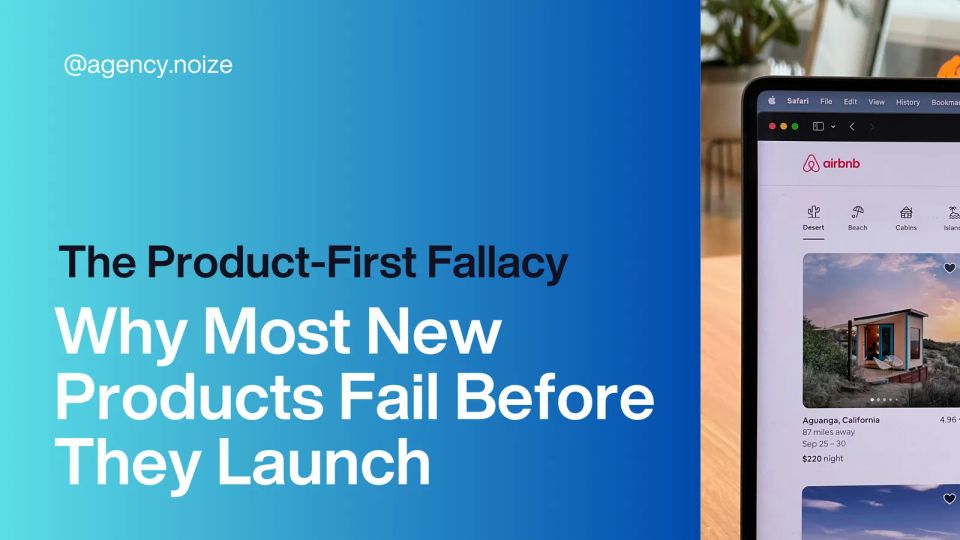 The product-first fallacy: why most new products fail before they launchMost new products fail because nobody worked out the market before building, not because the product was bad. Before you build, answer five questions: who exactly it's for, what result they're buying, why they'd choose you, what they'll pay and how they'll find you. The Segway was brilliant engineering with no clear market. Airbnb tested demand with three air mattresses before building anything. Strategy first costs weeks. Skipping it can cost months and a lot of money.
 How to build a marketing plan for your businessTo build a marketing plan, research your market, customers and competitors first. Set SMART goals: specific, measurable, achievable, relevant and time-bound. Define your audience and write simple customer profiles. Choose the channels where that audience already spends time. Track traffic, conversions and return on spend. Review the plan regularly as the business and the market change.
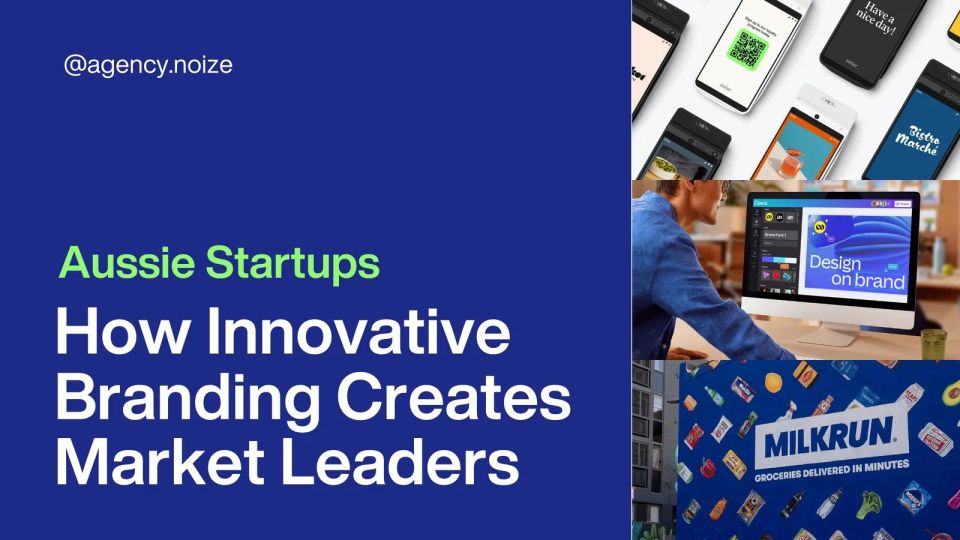 Branding lessons from Australian start-upsAustralian start-ups that became leaders built their brands as carefully as their products. They led with a clear purpose, built a visual identity people recognise, kept their message simple, showed personality online, partnered with established names to earn credibility, and stayed consistent everywhere. A strong brand, a good website and focused marketing together give a new business the best start.











