How Coca-Cola Helped Shape the Santa We Know Today
Why Does Santa Wear Red?
The answer, in part, is Coca-Cola.
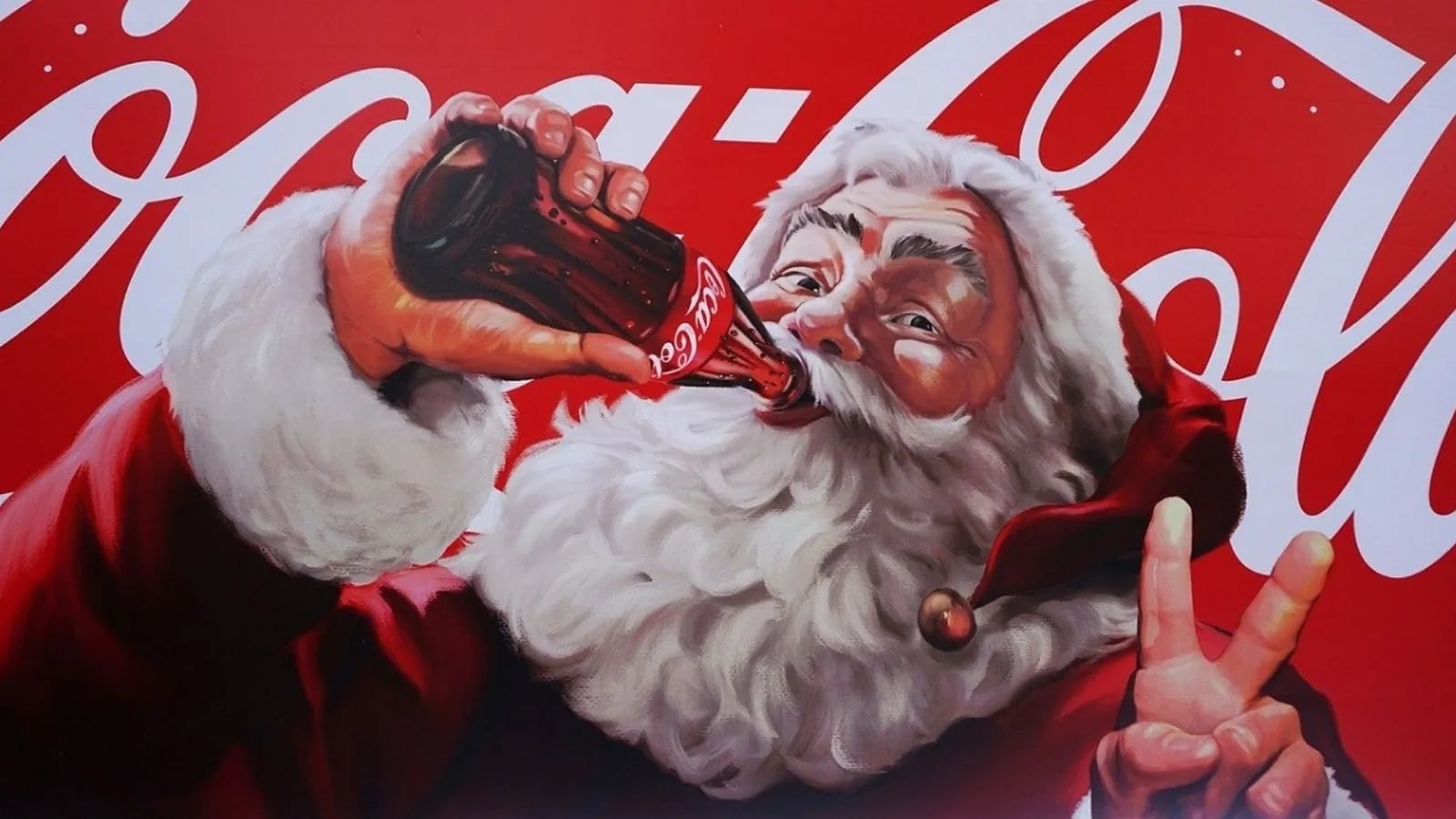
In the early 20th century, Santa Claus didn't have a consistent look. Different depictions showed him in various outfits and appearances. But in 1931, Coca-Cola launched a series of holiday ads that would define the modern Santa, red suit, rosy cheeks, warm smile, and all.
The Campaign
Illustrator Haddon Sundblom created a warm, jolly Santa dressed in red and white, colours that happened to match Coca-Cola's branding perfectly. This Santa was full of life and joy, representing the happiness Coca-Cola wanted to be associated with during the holiday season.
Year after year, Coca-Cola reinforced the connection between their brand and the festive, heartwarming spirit of Christmas.
Over time, the Coca-Cola Santa became the Santa. Generations grew up with this image, cementing it as cultural fact.
The Power of Cultural Association
Coca-Cola didn't just sell soda. They sold happiness and warmth, tying their brand to one of the most beloved cultural symbols in the world. That emotional association has compounded for nearly a century.
The Lesson
By associating your brand with powerful cultural moments or figures, you can create emotional connections that last a lifetime.
- Are there cultural moments or symbols that resonate with your audience that your brand could align with?
- What kind of emotional connections are you building with your customers?
- How can your brand's story tap into traditions or experiences that people hold dear?
The brands that endure are the ones that become part of the culture, not just the market.
Your first strategy conversation is on us.
Have a chatThe brand for business.