Google Ads vs Meta Ads: which one is right for your business?
It comes up in almost every first conversation about marketing. Should we be on Google or on Facebook and Instagram?
The honest answer is that it depends on what you sell, who buys it and what you need the ads to do. The two platforms work in very different ways. Once you see the difference, the choice gets much easier.
The short version
Google Ads shows your ad to people who are already searching for what you sell, so the leads are usually ready to buy. Meta Ads (Facebook and Instagram) shows your ad to people who weren't looking, so it reaches more people but needs more convincing. If customers search for your service, start with Google. If your product is visual or appeals to lots of people, Meta often works better. Most businesses end up using both: Google to catch demand, Meta to build it and to bring back people who visited but didn't buy.
How each platform works
01Google Ads catches demand that already exists
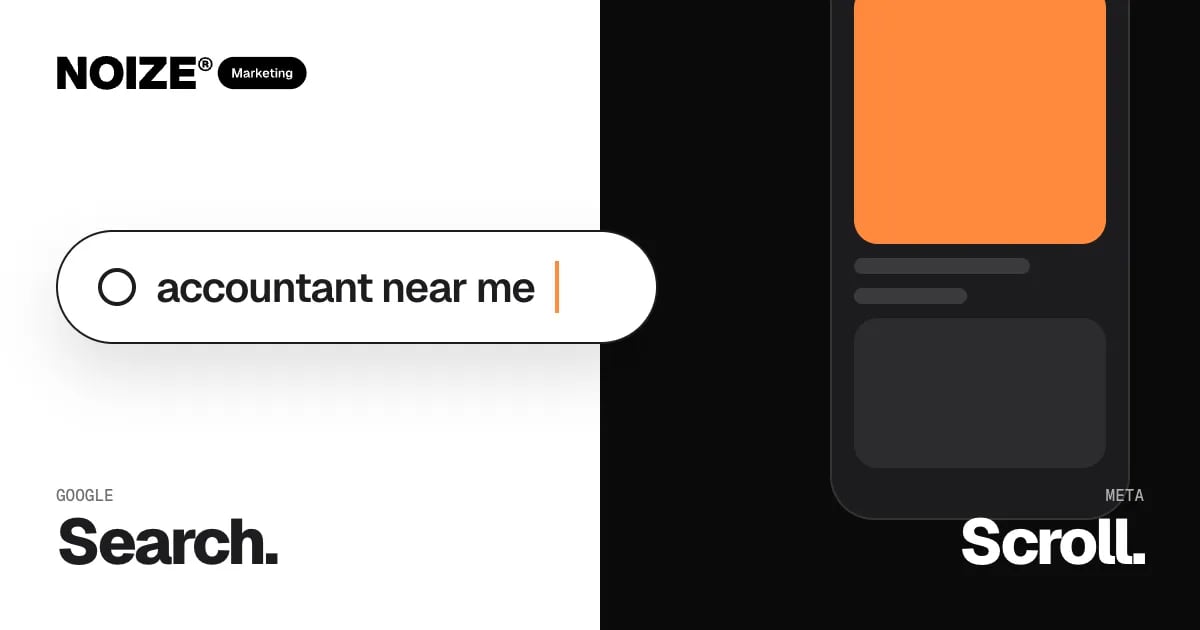
Someone searches "emergency plumber Gold Coast" and your ad appears. They already want what you offer. Your job is to be the business they find first.
Because the person is already looking, these leads tend to convert well. The limit is volume. You can only reach as many people as are searching. If few people search for what you sell, there isn't much to catch.
02Meta Ads creates demand that doesn't exist yet
Meta shows your ad to people who weren't looking for it. You stop them mid-scroll and give them a reason to care. These people aren't ready to buy yet, so conversion rates are usually lower than on Google. In return, the reach is huge, and you can target people by interests, location and behaviour.
Meta works especially well for products people can see: food, fashion, homewares and lifestyle. It is also strong at retargeting, which means showing ads to people who have already visited your website.
Which one should you start with?
01Start with Google if people search for what you do
Trades, professional services, health clinics and most local services fit here. When customers type your service into Google, start by catching those searches.
02Start with Meta if your product sells on sight
If your product looks good in a photo or a short video, or appeals to lots of people, Meta is often the better first step.
03Plan for both as you grow
Most businesses end up using both. Google catches the people who are ready now. Meta builds awareness and brings back the visitors who left without buying.
Spending a small budget well
If the budget is tight, put it into Google Search first, on searches that show clear buying intent. Results usually come faster because you are catching demand that already exists.
As the budget grows, add Meta retargeting next, then Meta ads to new audiences, then Google Display and YouTube. Move from high intent to low intent as you can afford it.
Two mistakes we see often
01Sending ads to a weak website
Ads can bring people to your website. They can't fix a website that doesn't convert. If visitors arrive and leave, more traffic just costs more. Our guide to website conversion covers what to fix first.
02Not tracking what works
Running Google Ads without conversion tracking means you can't see which searches bring in leads. Set up tracking before you spend a dollar. Without it, you can't improve anything.
Both platforms reward patience. The businesses that do best keep at it. They test, learn and improve each month, instead of running one campaign and stopping.
“The top marketing agency I’ve worked with on the Gold Coast.”
Start with one
If you're not sure which platform suits you, start with a plan. NOIZE Marketing runs Google and Meta as one campaign, measured from the first click to the sale. If the website is the weak link, NOIZE Digital can fix that first.
Common questions
Is Google Ads or Meta Ads cheaper?
It depends on your industry and competition. Google clicks often cost more, but the leads are usually closer to buying. Meta reaches people for less, but they may need more steps before they buy.
Can I run both at the same time?
Yes, and most growing businesses do. Google catches demand, and Meta builds it and brings back past visitors.
How long before I see results?
Google Search can bring in leads within days of launch. Meta usually needs a few weeks of testing to find the right audience and creative.
Do I need a new website before running ads?
Not always. But the page you send people to needs to load fast, say clearly what you offer and make it easy to get in touch.
What is retargeting?
Retargeting shows ads to people who have already visited your website or engaged with your brand. It reminds them to come back and finish what they started.
Your first strategy conversation is on us.
Have a chatThe brand for business.