Dental practice marketing: how to fill your books and keep them full
Dental practices have a particular marketing challenge. Patients need to trust you, they often put off booking, and every suburb has several practices competing for the same people.
The practices that fill their books and keep them full do a few things well, again and again. Here's what they are, and the order to do them in.
The short version
To market a dental practice, build trust first, then make it easy to be found. Start with a brand that looks safe and professional, then a website, then a properly set-up Google Business Profile and local SEO. Add Google Ads when you need bookings quickly or want to promote a service like whitening. Then keep patients coming back with a great experience, reminders and recalls, because keeping a patient costs far less than finding a new one.
Five things busy practices get right
01The brand comes first
Patients choose a dentist on trust. Your brand has to show safety, skill and care before the first appointment.
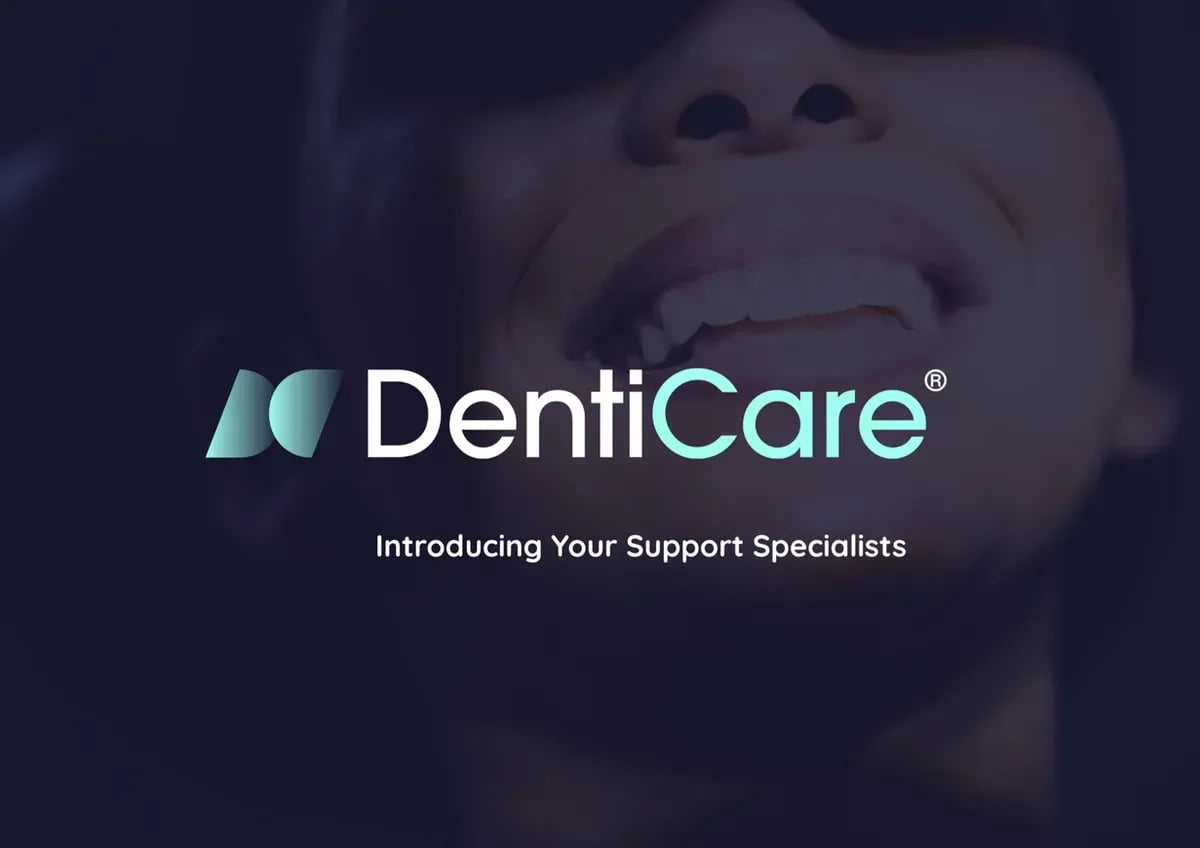
That means the logo, website, photos and wording all need to work together. A dated logo, a generic website and stock photos of smiling strangers do the opposite. We built this kind of trust for DentiCare.
02Local SEO is the foundation
When someone needs a dentist, they search: "dentist near me", "dentist [suburb]", "emergency dentist [city]".
Ranking for those searches is the most cost-effective way to attract new patients. It takes time to build, but once it works, enquiries keep coming without ongoing ad spend. The basics are:
- A complete, up-to-date Google Business Profile
- The same name, address and phone number everywhere online
- Genuine patient reviews
- Website pages for each location and service
Our guide to SEO for service businesses goes deeper.
03Google Ads for faster results
SEO builds over months. Google Ads can bring in enquiries straight away. It works especially well for filling gaps in the book, or for services like teeth whitening and clear aligners.
Bid on searches that show clear intent, send people to a page made for that service rather than the homepage, and track every enquiry back to the search that brought it in.
04The patient experience drives referrals
The most valuable marketing a practice can do is look after patients well. People who feel cared for refer their family and friends, and over years that network is worth more than any ad campaign.
The front desk, the chairside manner, the follow-up messages and how complaints are handled are all marketing.
05Keeping patients costs less than finding them
Most practices focus almost entirely on new patients. Yet keeping an existing patient costs far less.
Recall reminders, a simple newsletter, birthday messages and treatment reminders are cheap ways to keep patients coming back.
What to do first
If you're starting from scratch, the order is: brand, website, Google Business Profile, local SEO, then Google Ads. Build the foundation before you pay for traffic.
If your practice is already running, check your Google Business Profile first. It's the most underused asset most practices have. Get the reviews, photos and details right, then build from there.
Start with one
NOIZE Creative builds practice brands patients trust. NOIZE Marketing runs local SEO and Google Ads to keep the book full.
Common questions
What is the best marketing for a dental practice?
For most practices, a trusted brand plus local SEO brings the most consistent new patients. Google Ads helps when you need bookings quickly.
How long does dental SEO take to work?
Usually three to six months for noticeable movement, and longer in competitive suburbs.
Should dental ads go to the homepage?
No. Send them to a page made for that service, with a clear way to book.
How do I get more patient reviews?
Ask at the end of a good appointment and send a short follow-up message with a direct link to your Google review page.
Your first strategy conversation is on us.
Have a chatThe brand for business.